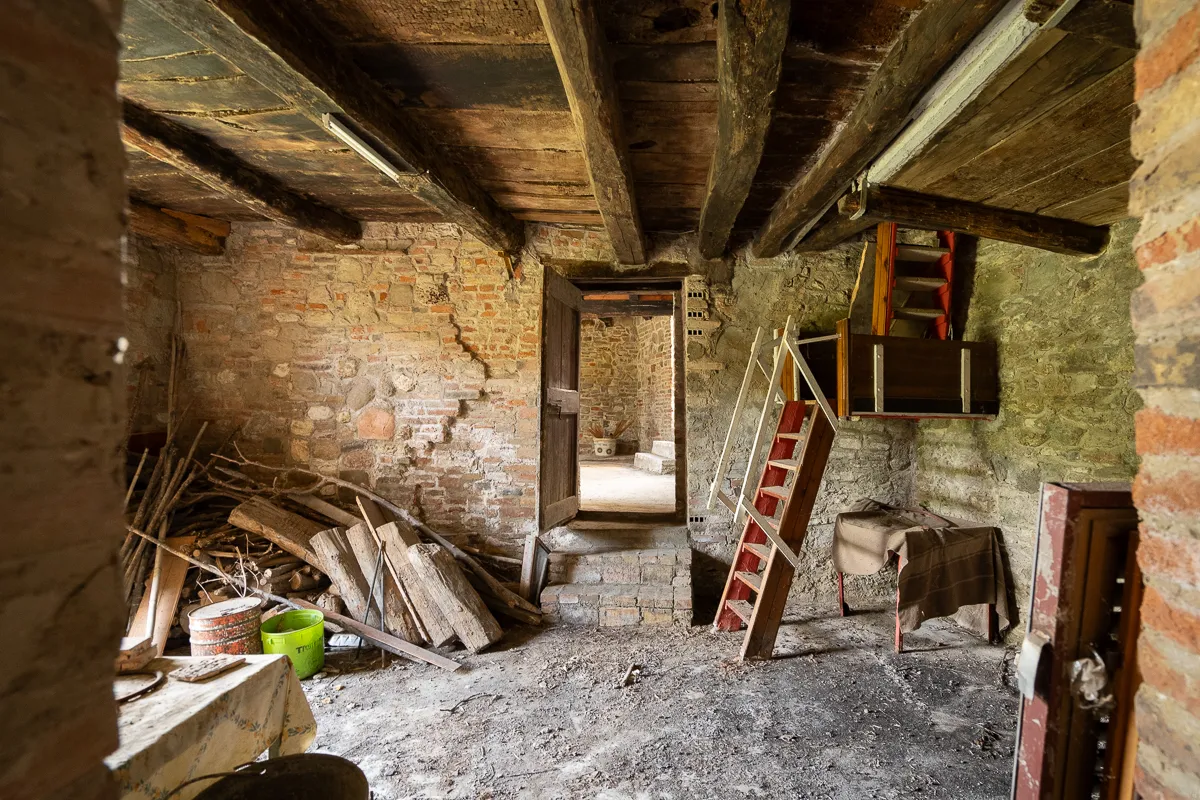
Villages in Italy are selling homes for €1, and there’s no shortage of interest. But should you buy one? What CNN doesn’t tell you about Italy’s €1 houses.

You’ve seen them on CNN.com. You’ve seen them on TV. 1 Euro houses in Italy have generated lots of publicity.
A house for €1 in Italy makes for great headlines. And there’s been no shortage of interest.
But just because something is cheap doesn’t mean it’s a good deal. It’s the details that are important.
So are you missing out on the deal of the century, or should you steer well clear?
Why would anyone sell a house for €1 in the first place?
Rule number one in real estate is price is defined by supply and demand. There are rarely exceptions to this fundamental rule.
The fact is, these houses are located in ancient villages with declining demographics. Sadly, less and less people are living in these remote places every year. The €1 housing schemes are nothing more than an attempt to repopulate these once-vibrant communities and regenerate the housing stock in a single, catchy initiative.
And in marketing terms, the campaigns have hit home runs. But are they all just hype, or are there actually good deals to be had?
The statistics point to a worrying demographic trend in Italy
A few facts to consider:
-
There are an estimated 9.6 million empty or underused houses in Italy, out of a total stock of 35.2 million.
-
Approximately 5.7 million of those are held privately and used infrequently as holiday homes, or rarely at all.
-
Leaving around 3.9 million truly unused or abandoned.
-
By 2050 Italy’s population is estimated to decrease by 6.7%, with a whopping 14.6% decrease in the South and the Islands where most of the €1 initiatives are located.
-
Ghost towns in Italy are estimated to total anywhere from 1000 to 6000.
-
Many Italians prefer newer-style properties that require far less maintenance and lower bills.
-
And often they can’t or won’t sell their empty homes.
-
Italian families own multiple cars and like to park right outside their doors. More on that later.
Simply put: these houses are cheap because there just isn’t the demand to buy them. And there’s a massive supply of housing stock in Italy to compete with.
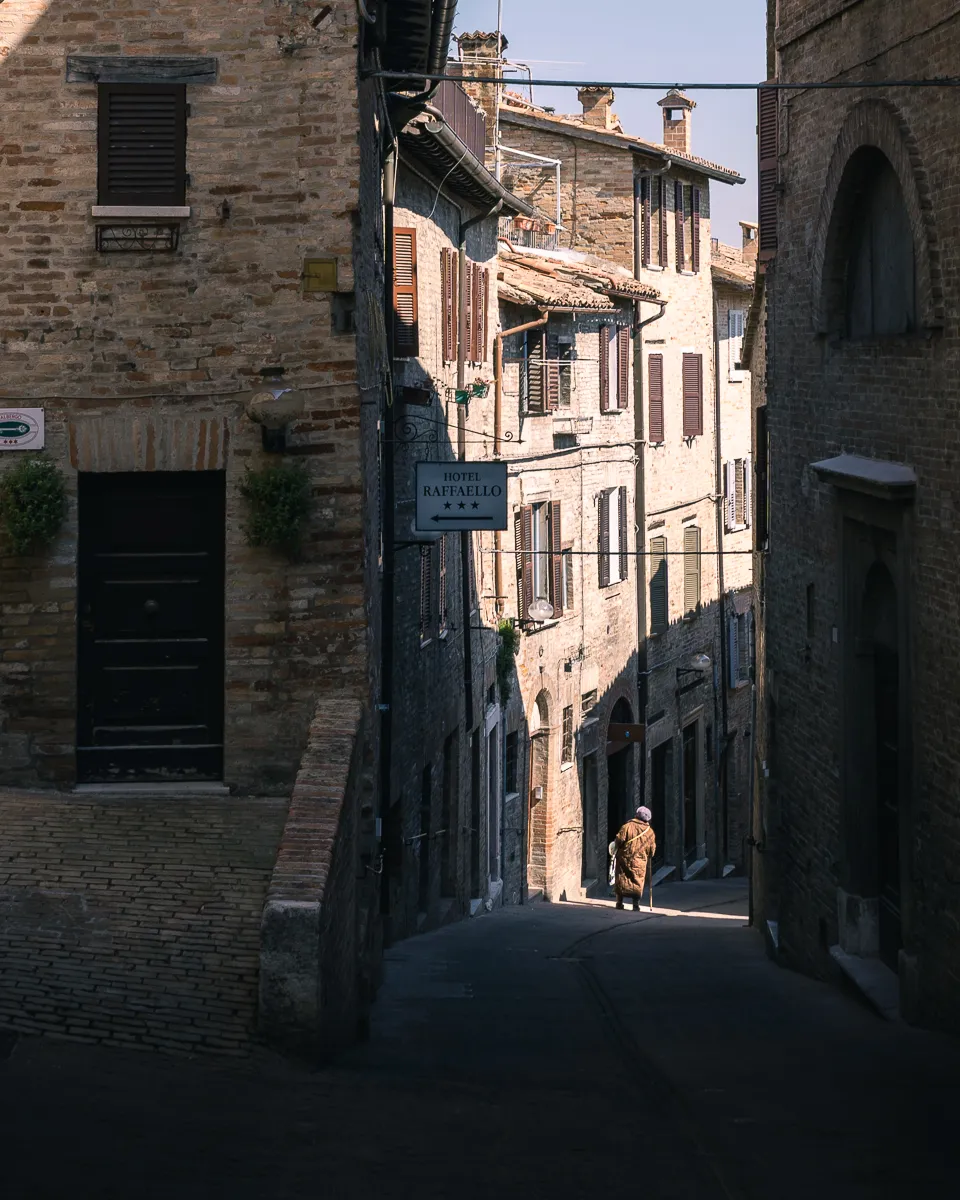
Are all the stats negative?
It’s not all doom, there is a bright spot amongst the gloomy numbers: tourism is booming.
-
2024 saw a 23% increase in tourism revenue compared to pre-pandemic 2019
-
More tourists are venturing off the typical tourist trail: Italian nationals are leading the trend with 72% choosing one of the more than 5000 villages in Italy as a destination for a holiday.
-
In 2024, 84% of Italian travel providers said they saw an increase in demand for slow travel.
-
90% of travel providers in Italy expect the trend to continue.
The consumer shift towards slow travel and experiences is a global trend.
If you can find the right village with growing tourism demand, you can potentially do very well with your €1 venture as a short-term rental (STR).
But depopulated villages with 1 euro homes are unlikely to be high on the must-visit lists of travellers.
There’s no such thing as a free lunch
You’re not just buying a €1 house; you’re buying a lot of responsibilities.
When you exchange your hard-earned euro for your new home, you don’t just get the keys. You enter into various contracts with stringent terms. The chief of them: the responsibility to restore the property to specified standards at your own cost, within a timeframe defined by the local council (commune).
Congratulations! You are now a property developer.
That’s why any €1 deal needs to be carefully scrutinised: rarely is there a free lunch. Being a property developer might sound good and look great on Instagram, but it’s one of the riskiest property strategies you can undertake.
While contracts vary from commune to commune, they all include some variation of the following:
-
A deposit, normally around €5000, but can be up to €10k. This is non-refundable if you fail to meet your obligations under the contract.
-
Thousands of euros to pay in purchase and legal fees.
-
A time limit to carry out the works is imposed: usually within 3 years. (If you know anything about Italy, “getting works done quickly” are not words that belong in the same sentence together)
-
Some communes do not finalise ownership until works are complete. Others impose heavy fines or can repossess the house if you don’t meet your obligations.
From what I can see, the €1 house is a stonking good deal for the commune.
They offload dilapidated eyesores, get their streets regenerated at the buyer’s cost and risk, boost property tax revenue, and rake in thousands in permits along the way. For a local council suffering population decline and falling revenues, what’s not to like?
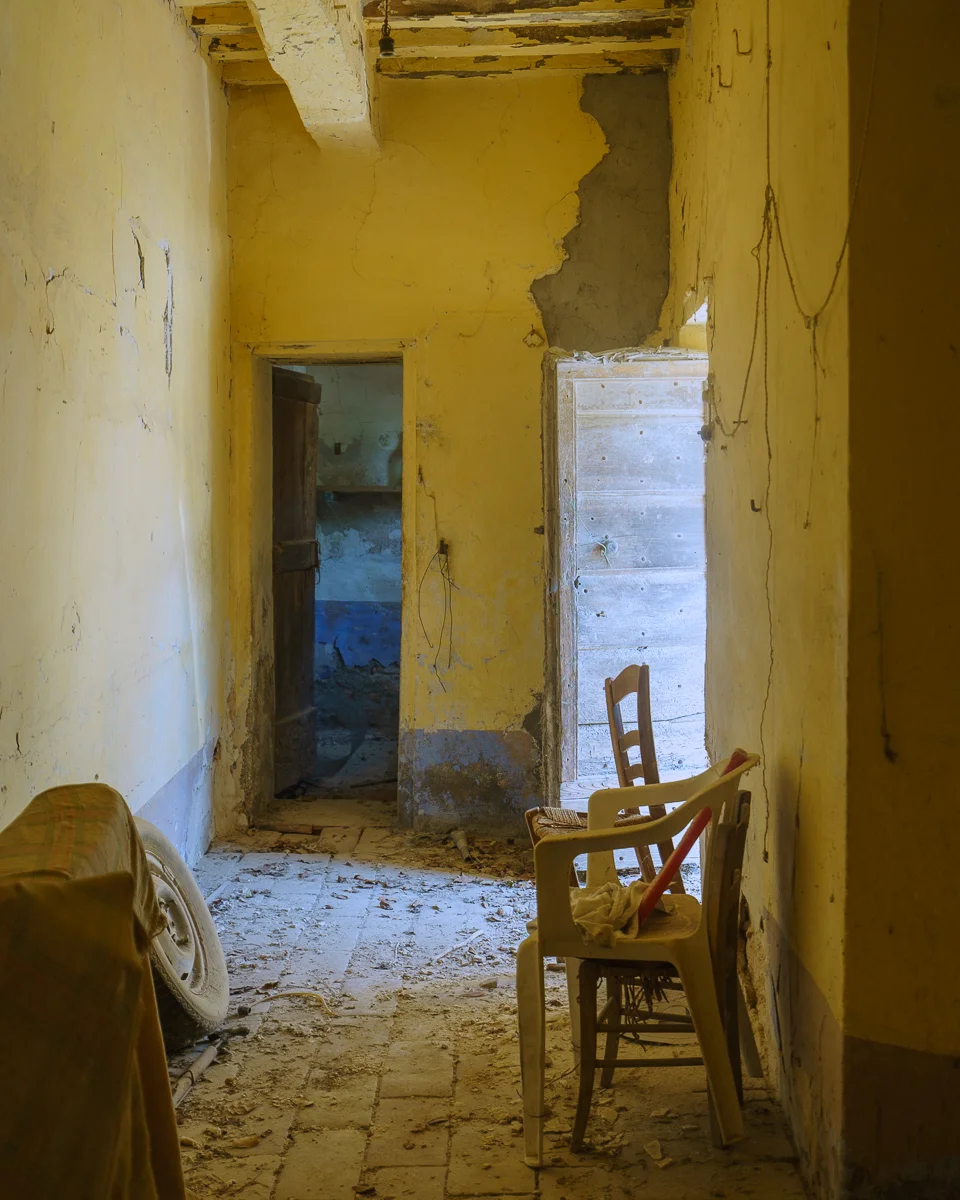
How much does a €1 house really cost?
1 euro houses are serious projects that require serious building works.
The purchase price of €1 is meaningless without understanding the full project cost. This includes:
This includes:
-
Purchase, legal and professional fees
-
Architecture, engineering and project management
-
Permit and connection fees, taxes
-
Materials (traditional materials are obligatory and expensive)
-
Labour, holding costs, travel and accommodation (don’t forget these)
Add a contingency of 20-30% for unexpected costs — which should be expected.
These properties have been unoccupied without maintenance for many years. Structural interventions should be expected, and Italy’s seismic compliance laws ensure they are expensive.
Reports of actual finished projects online range from 50k to 300k. I suspect 50k is at the very low end. A complete renovation in Italy averages around 1,000–1,300 euros per square metre for a standard finish. A typical 1 euro house at 70m2 suggests a budget of around 91k — before the common markup that comes from being required to use local contractors. It’s easy to see how costs spiral to 150k or more.
Strict building laws make DIY difficult. Your proposals must be approved by the commune, local contractors must be used, and consultations are required at every step. Problems and disputes with builders are all too common — I’ve heard countless reports of foreigners out of pocket with unfinished works, undoubtedly due to things lost in translation.
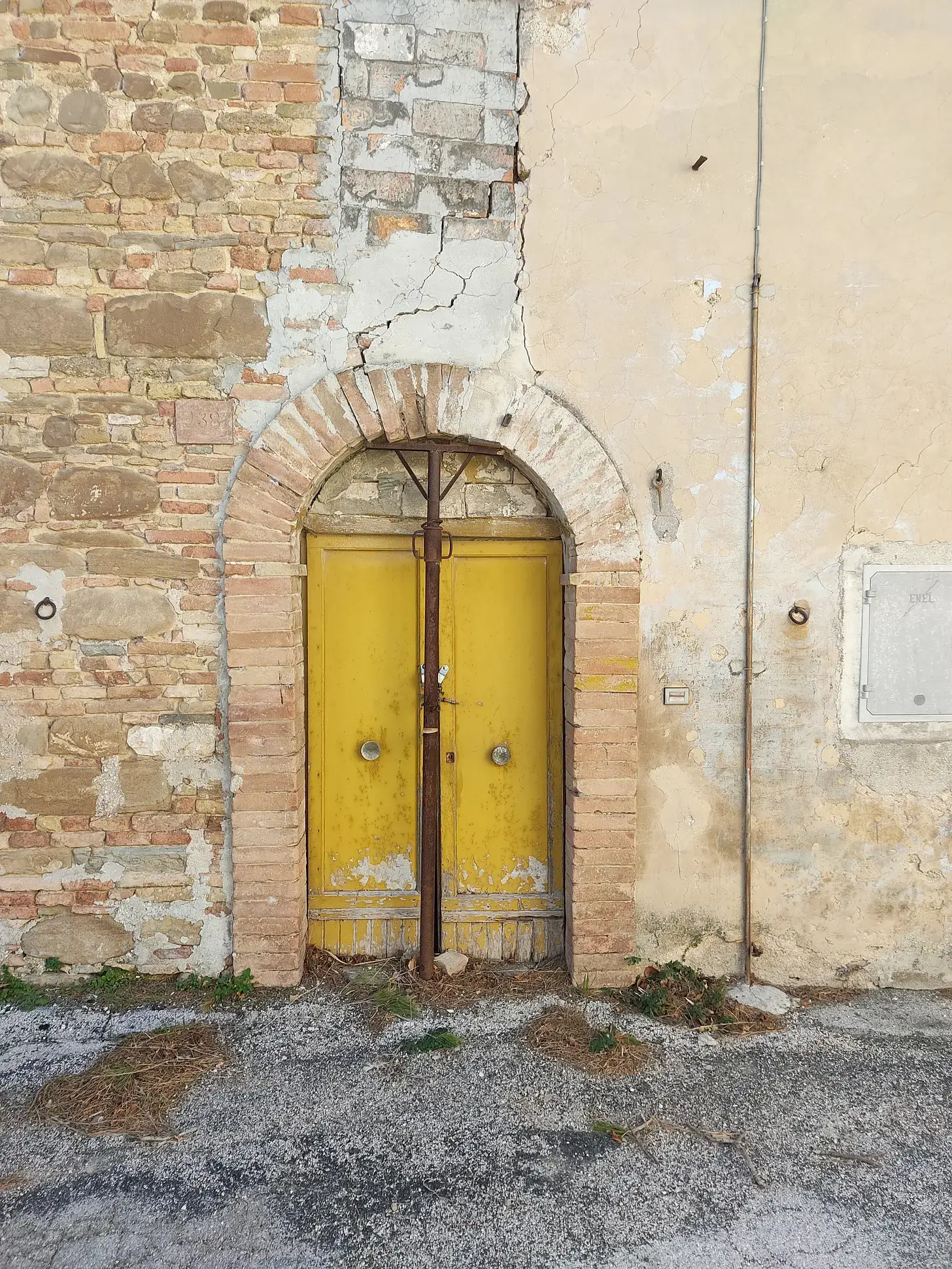
Comparing asking prices to back home will lead you astray
It can be easy when arriving from the US or UK to view the total investment required for a 1 euro house as low when compared to house values at home. But that’s a massive mistake. You can only compare eggs with eggs, and the only comparable that matters is with other similar Italian houses in similar locations.
If you want to make sure your project is a good investment, you need to make sure your finished house is worth more than your total spend. But that requires buyers..
If you ever decide to sell, will there be anyone to buy your 1 Euro home?
Prominent Italian property investor Giuseppe Gatti predicts that in 20 years, many houses in these small villages will be worth zero. €1 may well be overpriced.
Italy’s population is declining. There’s a birthrate crisis. Modern Italians want modern houses. They don’t dream of exposed wood and terracotta ceilings, uninsulated stone walls, or high maintenance bills. And they need parking. Young people are leaving small villages in droves in search of opportunity — and increasingly, another country altogether.
Without locals buying property, foreign buyers alone cannot create the demand required for a healthy real estate market. And the choice available to foreign buyers is staggeringly wide: over 5000 villages, not including country houses.
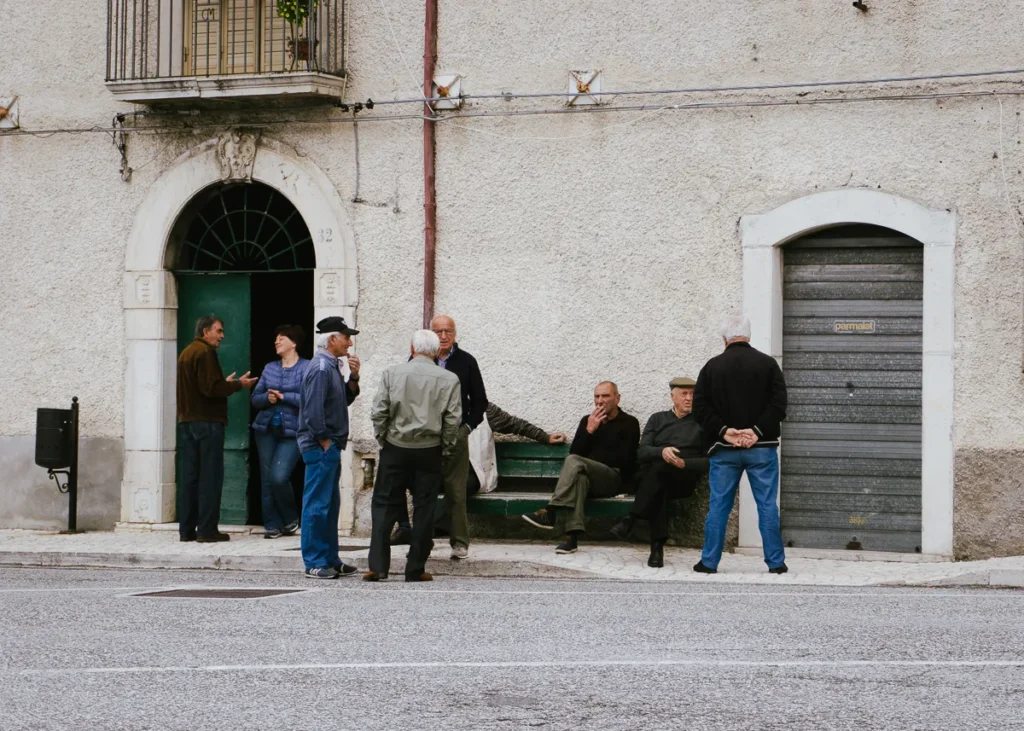
I watched an interview recently with an old shoemaker from Penne, a 1 euro house town in Abruzzo. He’d spent his adult life in the once-bustling historic centre. Now he’s lucky to make 5 euro a day.
The interviewer asked: with all the incentives, do you think the people will come back?
He answered without hesitation: No. They won’t come back. Because there’s nowhere to park. Italian families have 2 or 3 cars. They want to park right outside their house. Nobody wants to walk to their car or the store anymore. Those days are gone.
Can’t I turn a profit doing a Short Term Rental?
Running an STR is definitely an option. Tourism is booming and any money to cover the cost of ownership is better than nothing. But as an investment strategy, it’s questionable.
-
STR demand is highly seasonal — the bulk runs June to early September.
-
Most of these houses don’t have gardens or terraces, which holiday makers book first.
-
If you’re buying in a €1 village, others will have the same idea. Increased STR supply in an already low-demand area is not good for business.
-
Italy’s flat 21-26% tax rate applies to gross earnings — deductions aren’t allowed. Add platform fees, and you’re looking at around 45% gone before costs.
There’s nothing wrong with earning income from a property when you’re not there. But if cashflow is the justification for buying, there may well be better deals out there.
Conclusion
One thing you learn quickly in property investing: good deals are rarely advertised as good deals. The real ones are snapped up well before they need to be marketed as bargains.
With 9.7 million empty or underused homes in Italy, there’s plenty to find — but you won’t find them in articles on CNN. And you can decide whether or not to do improvements in your own time.
I asked an old friend who lives near Penne what he thought of the €1 houses there. His answer sums up this article nicely.
Sono sicuramente una trappola.
They’re definitely a trap.
And this author struggles to disagree.
Some useful resources for understanding building costs in Italy:
Culturediscovery did an excellent breakdown of costs here:
How accurate they are, I don’t know, but it helps to give you an idea of the many extra costs you may not have considered.
A useful calculator: https://italianpropertykit.it/renovation-cost-calculator/
The calculations appear to be light on permit and professional fees, while ignoring structural and roofing works that are often required for €1 houses.